
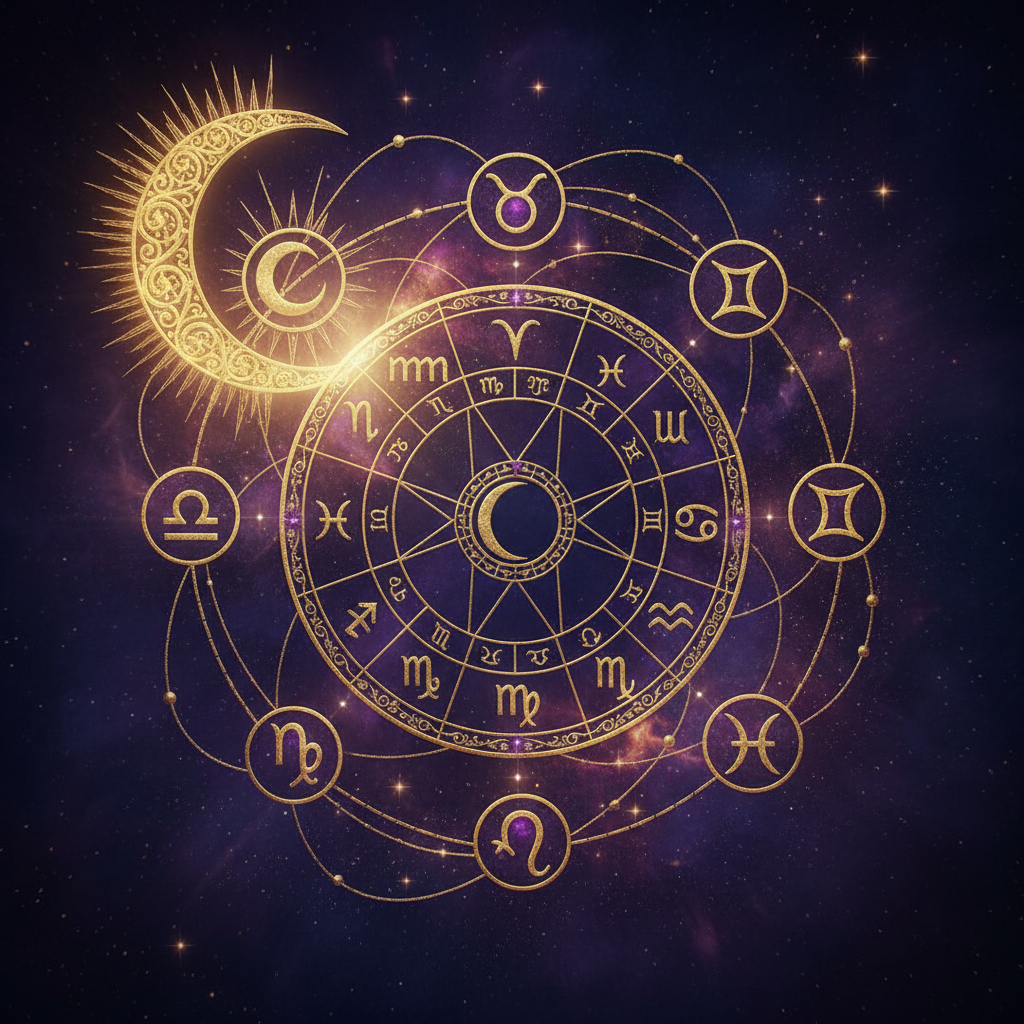
Understanding Moon in Vedic Astrology: An Overview
In Vedic astrology, the Moon—known as Chandra—holds a place of utmost importance because it governs the mind, emotions, and the subconscious patterns that shape our daily experiences. While the Sun represents the soul’s purpose, the Moon reflects how we feel, react, and nurture ourselves and others. Gaining a clear grasp of Understanding Moon in Vedic Astrology helps you decode your emotional temperament, mental stability, and the way you relate to the world around you.
The Significance of Chandra (Moon) in the Birth Chart
The Moon’s position in the natal chart reveals the native’s mental makeup, habits, and instinctual responses. It is the fastest moving planet, completing a zodiac cycle in approximately 27.3 days, which makes its influence highly personal and subject to frequent shifts. A well‑placed Moon bestows a calm mind, strong intuition, and the ability to nurture relationships, whereas an afflicted Moon can lead to mood swings, anxiety, or a sense of emotional insecurity.
Moon’s Role in Emotions and Mind
According to classical texts like the Brihat Parashara Hora Shastra, the Moon is the karaka (significator) of the mother, home, comforts, and mental peace. Its placement indicates how you process feelings, your capacity for empathy, and the style in which you seek emotional security. When the Moon is strong, individuals often exhibit:
- Emotional resilience and adaptability
- Strong memory and imaginative thinking
- A natural inclination toward caregiving and healing professions
- Enhanced intuition and psychic sensitivity
How Moon Placement Affects Different Life Areas
The Moon’s house placement modifies its general significations, coloring specific life domains with its lunar qualities. Below is a brief overview of what the Moon signifies in each house:
- 1st House: Self‑image, appearance, and overall temperament are deeply lunar; the native may be reflective and sensitive.
- 2nd House: Finances, speech, and family values are influenced; a strong Moon here can bring wealth through nurturing occupations.
- 3rd House: Communication, siblings, and short trips gain a sentimental tone; writing or artistic pursuits flourish.
- 4th House: Home, mother, and inner peace are highlighted; this is a classic placement for emotional security.
- 5th House: Creativity, romance, and children are infused with imaginative flair.
- 6th House: Health, service, and daily routines may involve emotional work; the native might be drawn to healing or counseling.
- 7th House: Partnerships and marriage are approached with a need for emotional bonding; the Moon here can indicate a spouse who is caring.
- 8th House: Deep psychological transformation, secrets, and shared resources are emphasized.
- 9th House: Higher learning, philosophy, and long‑distance travel acquire a reflective, intuitive quality.
- 10th House: Career and public image are influenced by the need for emotional fulfillment through work.
- 11th House: Friendships, hopes, and gains are shaped by a desire for emotional connection within groups.
- 12th House: Spirituality, solitude, and hidden strengths emerge; the native may find peace in meditation or behind‑the‑scenes work.
Moon Sign vs. Sun Sign: What’s the Difference?
While your Sun sign (based on the date of birth) shows your core identity and life purpose, the Moon sign—determined by the Moon’s exact position at birth—reveals your inner world. Two people sharing the same Sun sign can behave very differently if their Moon signs differ. For example, a Leo Sun with a Cancer Moon may display leadership qualities but also a strong need for emotional security and familial closeness, whereas a Leo Sun with an Aquarius Moon might express independence and unconventional emotional expression.
Moon’s Relationship with Other Planets
The Moon’s effects are modified by aspects, conjunctions, and its placement relative to other celestial bodies. Understanding these interactions deepens the insight into emotional patterns.
Moon Conjunct Rahu/Ketu: Effects and Remedies
When the Moon aligns with the lunar nodes, Rahu or Ketu, the mind can experience intense fluctuations. Rahu’s influence tends to amplify desires, obsessions, and a craving for novelty, often leading to restlessness or anxiety. Ketu, on the other hand, creates detachment, spiritual inclination, and sometimes a sense of emotional isolation.
For those with Moon‑Rahu conjunction, grounding practices such as regular meditation, spending time in nature, and maintaining a balanced diet help stabilize the mind. Moon‑Ketu individuals benefit from devotional activities, chanting, and cultivating meaningful relationships to counteract feelings of loneliness.
If you want to explore how Ketu influences partnerships, especially in the 7th house, you can read our detailed article on Ketu in 7th House. Similarly, the impact of Rahu on domestic life is covered in Rahu in 4th House.
Moon and Venus: Harmony in Relationships
A harmonious aspect between the Moon and Venus enhances the capacity for love, beauty, and emotional comfort. This combination often indicates a person who is affectionate, artistic, and seeks peaceful, aesthetically pleasing environments. When the Moon‑Venus connection is challenged, there may be tendencies toward over‑indulgence, emotional dependency, or difficulty setting boundaries in such as the the Moon Moon Moon Moon the Moon in the the Moon’s need for security.
Practical Tips to Strengthen a Weak Moon
If your chart shows an afflicted Moon—whether by placement in a difficult house, conjunction with malefic planets, or low shadbala—there are several remedial measures rooted in Vedic tradition that can help restore lunar balance:
- Wear Pearl (Moti): A natural pearl set in silver, worn on the little finger of the right hand, is believed to strengthen Chandra.
- Chandra Mantra: Reciting “Om Som Somaya Namah” 108 times daily, especially on Monday, calms the mind.
- Moon‑Friendly Diet: Consuming cooling foods like coconut water, milk, rice, and fresh fruits supports lunar energy.
- Water Rituals: Spending time near natural water bodies, taking regular baths, or performing ablutions (jal‑arpan) enhances Moon’s soothing influence.
- Devotion to the Divine Mother: Worshipping goddesses such as Parvati, Durga, or Lalita Tripurasundari on Mondays invites maternal grace.
- Charity: Donating white items—rice, sugar, milk, or white cloth—to the needy on Mondays appeases Chandra.
- Mindfulness Practices: Yoga, pranayama (especially Chandra Bhedana), and mindfulness meditation help regulate emotional fluctuations.
Conclusion: Embracing Your Lunar Nature
Understanding the Moon in Vedic astrology is not merely an academic exercise; it is a pathway to self‑awareness and emotional empowerment. By examining the Moon’s sign, house, aspects, and strength, you gain insight into your deepest needs, habitual reactions, and the subtle ways you seek comfort and connection. Applying the suggested remedies and lifestyle adjustments can transform a turbulent inner world into a source of intuition, compassion, and inner peace.
Whether you are new to Vedic astrology or a seasoned enthusiast, keeping the Moon’s wisdom at the forefront of your chart analysis will enrich your interpretations and help you navigate life’s emotional tides with greater clarity and grace.
For readers interested in how lunar nodes affect specific houses, our articles on Ketu in 7th House and Rahu in 4th House provide deeper insights into these powerful karmic influences.
Additionally, if you want to explore how the Moon behaves in air signs—Gemini, Libra, and Aquarius—our Air Signs Guide offers a detailed look at the intellectual and communicative flavors these signs lend to lunar expression.
For more ideas on writing, publishing and book marketing, you can explore our sister brand RaksaBooks at raksabooks.com, and read in-depth articles on blogs.raksabooks.com.
For more astrology and spiritual insights, explore our blog at blog.astroraksa.com and our Shopify store blog at raksa-books.myshopify.com/blogs/news.